
What young people are saying about grantmaking
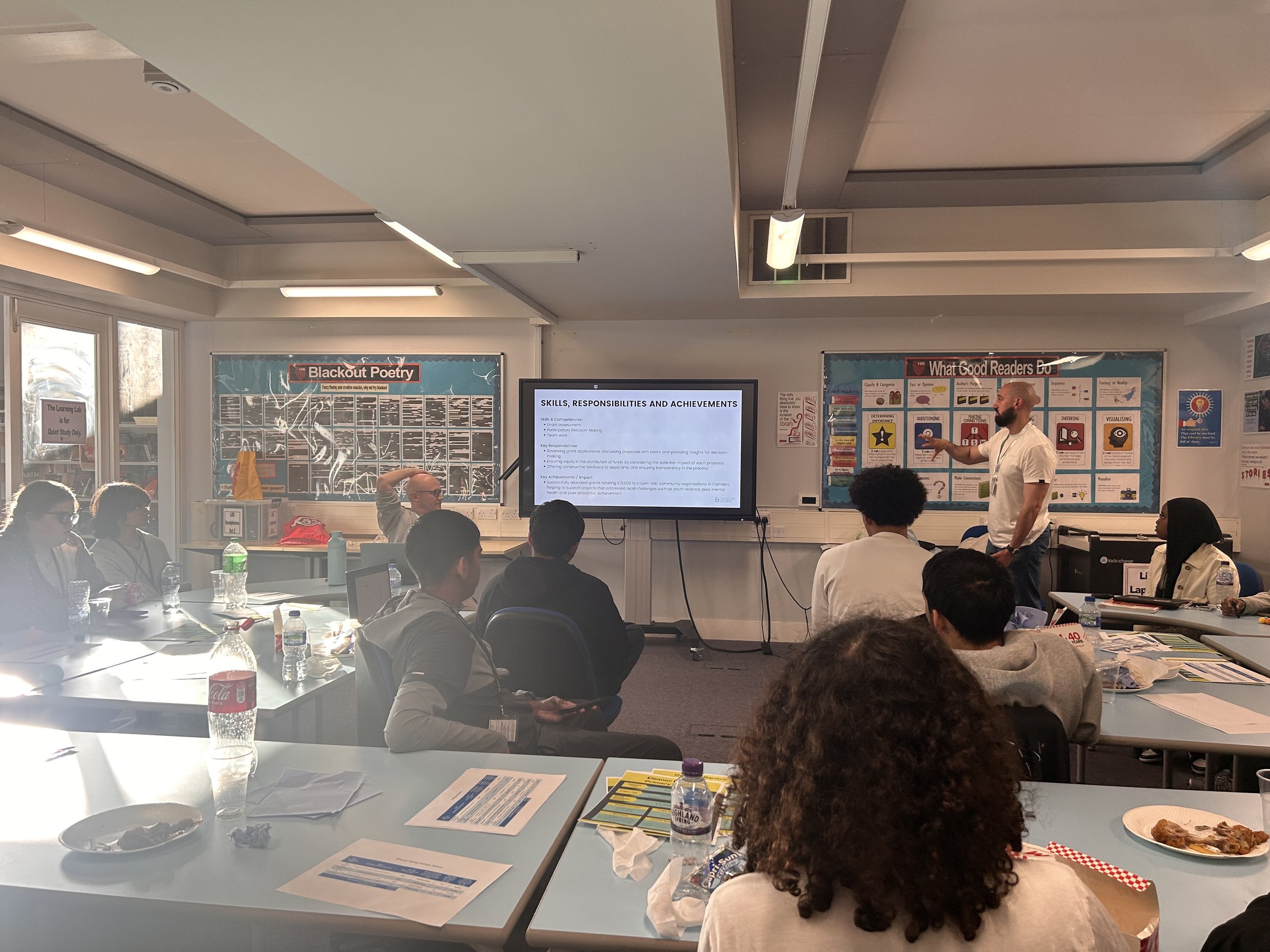
To be participatory is to be inclusive, right? That belief has always shaped our work at Camden Giving. We trust community members with real decision-making power because we believe those closest to the issues understand best where funding should go.
But when we looked closely at our We Make Camden Kit panel, we realised something. While we bring together 12 panellists from all walks of life each month to make funding decisions, we were not involving one key group of change-makers as meaningfully as we could: young people.
At Camden Giving, we are constantly trying to do things differently, to be creative and responsive to what our community tells us it needs. From our other funds, we know that youth panels do not just work, but that they work exceptionally well in shifting power into the hands of those who understand local need best. But rather than limiting this to one flagship programme throughout the year when funding allows, we wanted to find a way to engage young people more regularly and more directly.
And so participatory grantmaking in secondary schools and youth clubs across the borough was born.
Since September 2025, we have facilitated five decision-making panels with young people across two schools and one youth club. The response has been so positive that we have returned to one school three times already, with plans to continue throughout the year! That said, the journey hasn’t been as straightforward as it might seem. We spent two sessions with the young people: one focused on training and learning about grantmaking, and the second centred on decision-making. As a grants team, we had to think carefully about how to introduce the world of grantmaking (including budgets, due diligence, decision-making, power and responsibility) all within two sessions, with a group of young people we had only just met.
It was ambitious. But we did it.
It now feels like a natural moment to pause and reflect on what young people themselves are saying about the experience.
What we’ve heard
For some, the impact was about confidence. One young person shared that it had “made me more confident to work in groups and share my opinions,” B, 17. Another wrote simply, “I felt like my voice was heard and I could help make a change”, N, 16.
Others spoke about awareness and connection to their community. “It helped me see my community more and feel educated about what’s happening around me,” D, 17. Another reflected, “Given me insight on what actually goes on in my community,” L, 17.
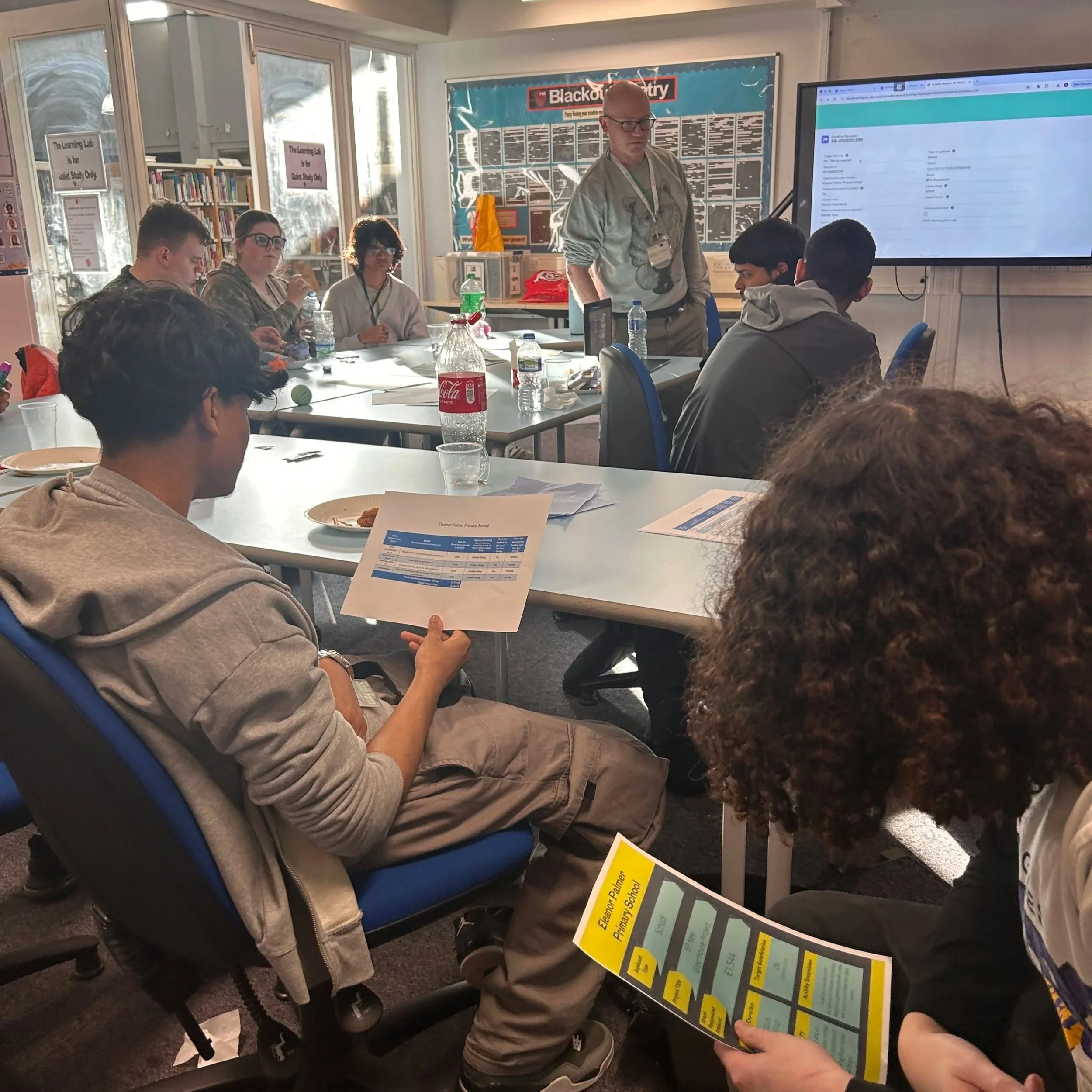
There was also a strong sense of responsibility. “I feel like I have made a change and would love to join the projects we funded,” M, 17. That line has stayed with me. Participation didn’t stop at the decision-making table; it sparked something further.
Some young people spoke about learning how charities work and how funding decisions are made. “I have become more aware of how most charities run and how funding decisions are made,” R, 18. Another noted, “Allowed me to know more about different charities and what they do locally,” J, 17.
Encouragingly, much of the feedback about the sessions themselves was overwhelmingly positive. “Honestly nothing, the session was amazing,” B, 17. “Nothing, it was amazing,” D, 17. “I don’t think it could be any better than this,” R, 18.
But where suggestions were offered, they were thoughtful and practical. One young person suggested “maybe having more information on the projects so we know exactly where the money is going”, E, 17. Another proposed, “Maybe show a more realistic budget to see if something is actually possible,” L, 17.
What stands out most is that young people took the responsibility seriously. They wanted to make informed, fair decisions. They wanted clarity. They wanted to do it well.
For us, that is the point.
Participatory grantmaking with young people is not a token exercise. It is about trust, transparency and genuinely sharing power. It is about recognising that young people are not just the “future” of our communities, but they are active citizens right now, capable of thoughtful, balanced and compassionate decisions.
We will continue to refine our approach, to listen carefully and to build on what is working. But if the feedback so far tells us anything, it is this: when given the opportunity, young people step into it with care, curiosity and commitment.
I will leave you with a line that reminds us here at Camden Giving why we do what we do. I hope it inspires something within you too.
“Never doubt that a small group of thoughtful, committed citizens can change the world; indeed, it’s the only thing that ever has.”