
What’s the difference between a Bus and Participatory Grantmaking?
At Camden Giving we’re working to increase community power because we think it takes lots of pairs of hands to overcome inequality in a borough with the highest rate of poverty in London. We often say that Camden’s communities are our greatest asset, but we are operating in a World of increasing division and hatred. According to Hope Not Hate, 28% of Brits have a hostile view towards people who are Muslim (Source: https://hopenothate.org.uk/2024/09/19/amh-public-attitudes/). How do we grow community power without growing hatred?
Yodit and Natasha had a chat about that challenge and how we want Camden Giving to be different to buses...
YODIT
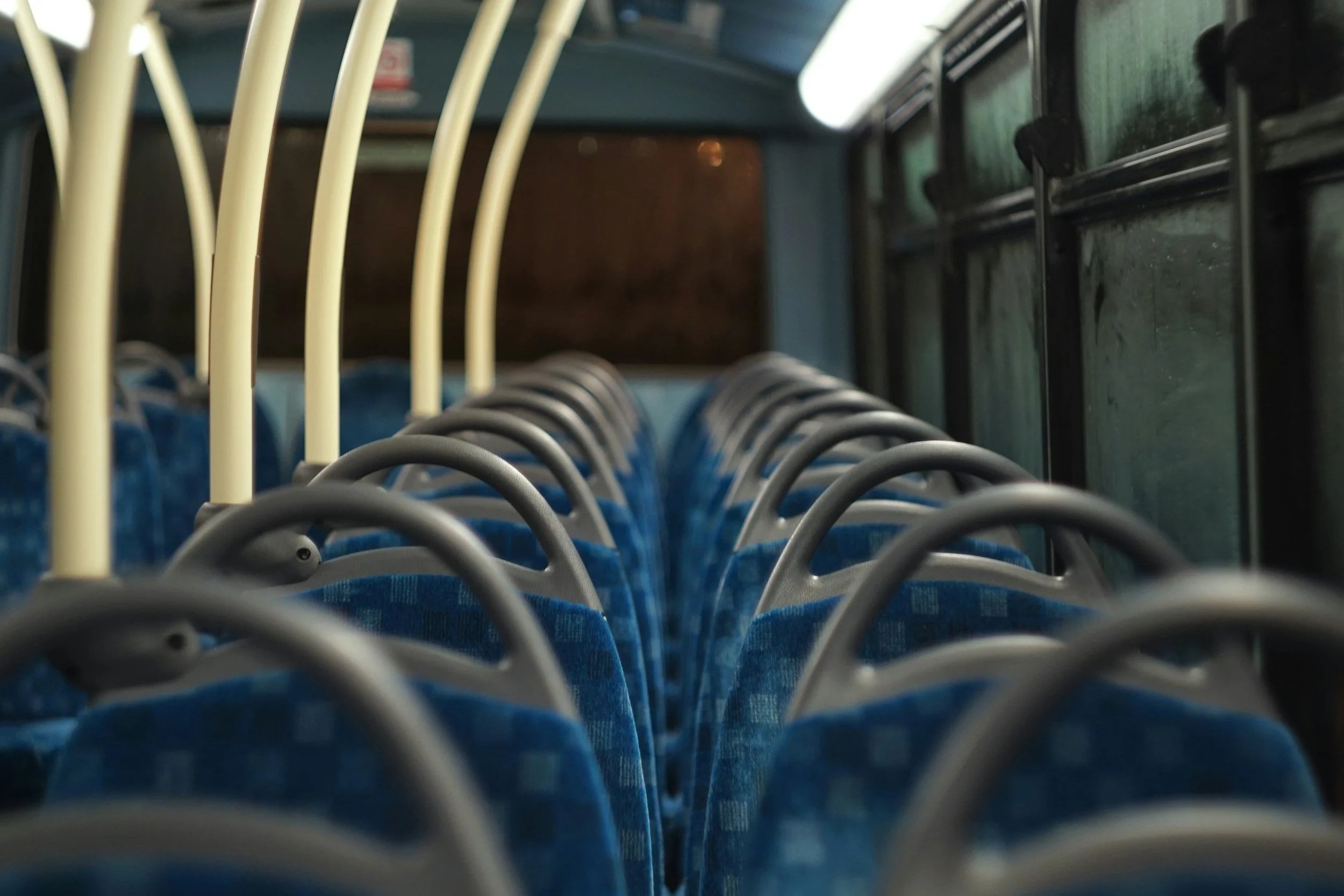
I was on the bus to the gym in Angel. It was busy, chaotic, the usual bus energy. A group of passengers started arguing with the driver, to cut a long story short, one man told the driver to go back to his own country.
The next day I was on another bus. A woman was speaking on the phone in another language. An older white woman shouted at her that in this country we do not talk on the phone on buses. Someone nearby said, actually yes we do.
I have seen clips like this online. Seeing it happen in front of me felt different. It made me think people are becoming more confident about being openly racist. It felt like we had stepped backwards to a time that I’ve heard older people talk about, but hasn’t been my day-to-day experience of Camden. I found myself wondering if every bus journey would feel like that now.
People gain someone to blame and they get the confidence to do it when politicians and online influencers use this language. It shapes what feels acceptable. When hateful language becomes normalised, it spills into everyday life.
The people who I saw say these openly racist things on the bus are probably struggling themselves and they probably live in Camden. I found myself wondering what we would do if they were part of our grantmaking.
NATASHA
The difference in a Camden Giving panel is that we would talk about racism openly. People do sometimes say things that are clumsy or hurtful. When that happens, we try to slow the conversation down. We help people understand how their words land and we invite them to hear other experiences.
Often the people who say harmful things have never had to think about racism because they have not experienced it. In a facilitated space, they can learn that gently but clearly.
YODIT
I hope that if she had been in a room with us, she would have felt heard. Maybe then her frustration would not erupt on a bus.
There are not many spaces where people meet others who are different from them. Many of us do not know our neighbours. At Camden Giving, people introduce themselves and start talking about their lives. That is rare.
NATASHA
We are intentional about that. We have facilitators who help navigate difficult conversations and who protect people from discrimination. We want to be a place where people can express concerns and fears without those conversations turning into hate.
Safety is not an afterthought. It is part of every decision we make.
YODIT
Over the years we have brought together hundreds of residents through our community panels. Those connections do not end when the meeting finishes. People check in on each other. They share opportunities. They build relationships across difference.
That is how community awareness grows. That is how understanding of discrimination deepens.
I believe that even people who hold racist beliefs should not simply be written off. If they come into our grantmaking spaces with good intentions, we can show grace and help them understand the harm those beliefs cause.
NATASHA
I agree, and there is a clear boundary. We prioritise physical and emotional safety above all else. We will challenge harmful views and we will try to create learning. But if someone is not open to listening and continues to make others feel unsafe, we will not expect panellists or our colleagues to endure that.
Thankfully that isn’t happening often, of the hundreds of people who have been involved in our grantmaking, nearly every person has come and shown love and care for others they are working with, no matter what differences there have been between them and on the rare occasion people have disagreed, we’ve been there to support them to do so without discrimination.
Difference strengthens our impact.
But never at the cost of safety.
That is not a slogan for us. It is a daily practice. It means holding complexity, welcoming disagreement, offering grace, and drawing firm lines when harm occurs.
If we want to overcome inequality in Camden, we need spaces where people can come together honestly and safely. That is the work we are committed to building, one conversation at a time.